1) Rotation and planning
Rotation is selected to support soil structure and workable field timing. We aim for a plan that is achievable in Irish weather, with variety selection and field tasks aligned to realistic access windows.
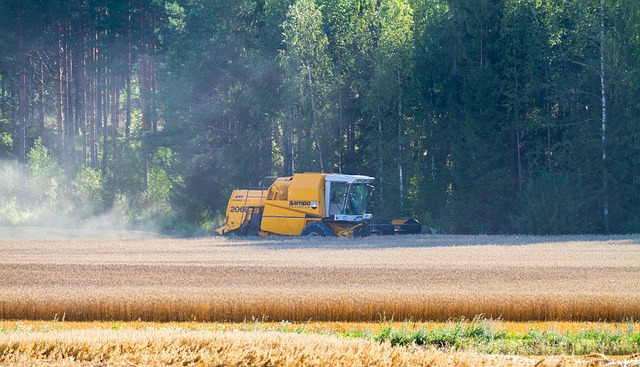


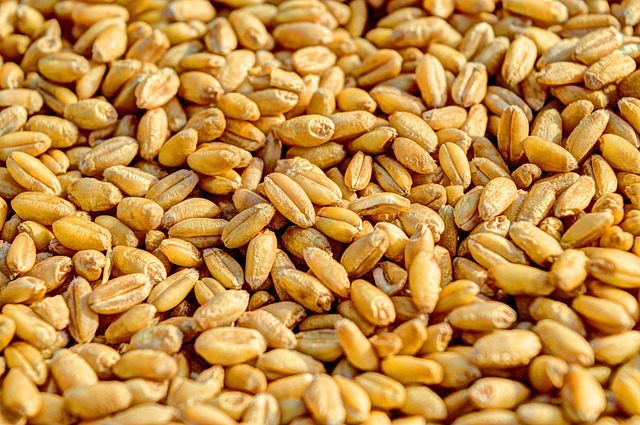
Images are representative. Each season varies; availability and specifications depend on crop conditions and partner requirements.
The best way to understand our process is to follow the crop through the year. We start with rotation and variety decisions that make sense for Irish conditions, then coordinate in-season work with a focus on plant health and field access. At harvest, we prioritise timing and intake checks so stored grain begins in a known state. After that, storage care and dispatch planning aim to keep lots consistent and documentation usable.
Partners often ask what information we can provide. We typically share harvest windows, storage notes, and batch references tied to dispatch. If your intake team requires a specific format, tell us early so we can align communication. We do not claim perfect outcomes, but we do explain what was done and when.
We aim for clear, non-salesy updates. Enquiries are answered with availability context and realistic next steps. Marketing updates are sent only when you opt in, and you can unsubscribe at any time.
Rotation is selected to support soil structure and workable field timing. We aim for a plan that is achievable in Irish weather, with variety selection and field tasks aligned to realistic access windows.
Field tasks are planned with crop stage and field conditions in mind. The goal is steady crop development and clean harvestability, rather than pushing schedules that do not fit ground conditions.
Harvest is scheduled around moisture and field readiness. Intake checks are recorded so we can reference condition at the start of storage. Combine settings and logistics are adjusted as crop conditions change.
Storage is treated as part of quality, not an afterthought. We keep batch references and routine checks. Where a partner needs specific intake details, we align loading and paperwork so it is easy to use.
Dispatch starts with clear confirmation: crop type, intended use, approximate volume, delivery location, and timing. We then align a schedule that suits storage, loading method, and haulage availability. For repeat partners, we keep terminology consistent so each load is easy to book in and reference later.
A clear reply to your enquiry, a realistic view of what the season can support, and a consistent way to reference lots and loads. If something is uncertain, we say so rather than overpromising. That approach helps both sides plan and reduces last-minute changes.
We keep records that are useful for day-to-day operations: field notes, harvest windows, storage checks, and dispatch references. When you contact us, we use your details to respond and manage your enquiry. Optional marketing emails are sent only if you choose to opt in, and you can unsubscribe at any time. We do not sell personal data.
If your organisation has specific requirements for procurement or supplier onboarding, send them with your message. We will confirm what we can provide and what is outside the scope of our farm operations. For details about cookies and analytics preferences, see our Privacy page.